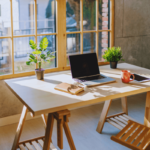
In recent times, remote work has shifted from being a luxury to becoming a necessity for numerous professionals. As remote work continues to gain popularity, creating a functional and inspiring home office space has become essential.
A well-designed home office not only enhances productivity but also contributes to a sense of well-being and professionalism. Whether you’re setting up a new workspace or looking to revamp your existing one, here are ten home office decorating tips to help you create an environment that fosters creativity, focus, and comfort.
1 – Prioritize ergonomics:

Invest in a quality ergonomic chair and an adjustable desk to ensure proper posture and comfort during long hours of work. Your chair should provide adequate lumbar support and be adjustable to your height. Likewise, your desk should allow you to work comfortably while seated or standing, promoting movement throughout the day to reduce strain on your body.
2 – Welcome the light:

Natural sunlight can profoundly influence both your mood and productivity. Place your desk adjacent to a window to optimize exposure to natural light. Consider adding sheer curtains or blinds to control glare without blocking out sunlight entirely. Additionally, supplement natural light with task lighting, such as adjustable desk lamps, to illuminate your workspace effectively, especially during darker hours.
3 – Personalize your space:

Infuse your personality into your home office by incorporating elements that reflect your style and interests. Display artwork, photographs, or decorative items that inspire you and contribute to a welcoming atmosphere. However, avoid cluttering your workspace with too many personal items, as they can become distracting.
4 – Embrace greenery:

Introduce indoor plants into your home office to liven up the space and improve air quality. Choose low-maintenance plants like succulents, pothos, or snake plants that thrive in indoor environments with minimal care. Not only do plants add a touch of nature to your workspace, but they also have been shown to reduce stress and increase productivity.
5 – Optimize storage solutions:

Keep your home office organized and clutter-free with efficient storage solutions. Invest in shelving units, filing cabinets, or wall-mounted organizers to store paperwork, office supplies, and other essentials neatly. Utilize storage bins or baskets to corral loose items and maintain a tidy workspace conducive to productivity.
6 – Create a distraction-free zone:

Minimize distractions in your home office to maintain focus and concentration. Choose a quiet location away from high-traffic areas of your home, if possible, to reduce noise disruptions. Consider using noise-cancelling headphones or white noise machines to block out background noise and create a conducive work environment.
7 – Incorporate functional décor:

Select furniture and décor pieces that serve both aesthetic and functional purposes in your home office. Opt for multi-functional furniture, such as desks with built-in storage or bookshelves, to maximize space efficiency. Choose decorative accents like stylish desk organizers or ergonomic keyboard trays that enhance productivity without sacrificing style.
8 – Experiment with color psychology:

Harness the power of color to influence your mood and productivity in your home office design. While neutral tones like white, gray, and beige create a clean and timeless look, incorporating pops of color can evoke creativity and energy. Consider painting an accent wall or adding colorful accessories like throw pillows or artwork to inject personality into your workspace.
9 – Invest in technology:

Equip your home office with the necessary technology to support your work requirements efficiently. Invest in a reliable computer, high-speed internet connection, and ergonomic peripherals such as a keyboard and mouse. Organize cables and cords neatly to prevent tangling and tripping hazards, and consider investing in cable management solutions to maintain a clean and organized workspace.
10 – Prioritize comfort and well-being:

Finally, prioritize your comfort and well-being when designing your home office. Incorporate elements that promote relaxation and reduce stress, such as comfortable seating, soft rugs, and cozy throws. Take regular breaks to stretch and move around, and create designated areas for relaxation or meditation to recharge your mind and body throughout the day.
In conclusion, designing a functional and inspiring home office involves careful consideration of ergonomics, aesthetics, and personal preferences. By implementing these ten home office decorating tips, you can create a workspace that not only enhances productivity but also reflects your unique style and fosters a sense of well-being.
Whether you’re working remotely full-time or part-time, investing time and effort into creating a comfortable and stylish home office will pay dividends in your overall satisfaction and success.