In an era where remote work has become the norm, the significance of a thoughtfully designed home office cannot be overstated. Beyond being a mere backdrop to your virtual meetings, your home office environment profoundly influences your work efficiency, creativity, and overall job satisfaction.
Whether you’re embarking on creating a brand-new workspace or seeking to enhance your existing one, this article provides comprehensive design insights to help you curate a home office that not only meets your professional needs but also nurtures your well-being.
The power of a purposeful workspace

As the lines between home and office blur, the need for a dedicated and well-designed home office space becomes increasingly apparent. Your home office is more than just a desk and a chair; it’s a sanctuary where ideas flourish, deadlines are met with ease, and a healthy work-life balance is maintained.
Creating a home office that fosters productivity requires a strategic approach that goes beyond aesthetics. It involves an understanding of ergonomic principles, the impact of lighting on mood and focus, the art of furniture arrangement, and the delicate balance between professionalism and personalization.
In this article, we delve into these key aspects, offering practical design tips that empower you to transform your home office into a space that not only meets the demands of your profession but also aligns seamlessly with your unique work style.
Join us on a journey to explore the multifaceted aspects of home office design, where functionality meets creativity, and where your workspace becomes a testament to your professional prowess and personal flair. Let’s embark on the mission of crafting a home office that not only meets the demands of the modern work landscape but elevates it to new heights.
In the dynamic realm of remote work, emphasizing the significance of a meticulously designed home office is paramount. The space in which you work profoundly influences your productivity, creativity, and overall well-being. Whether you’re setting up a new home office or looking to revamp your existing one, here are comprehensive design tips to create a productive and inspiring workspace.
1. Ergonomics as the foundation:
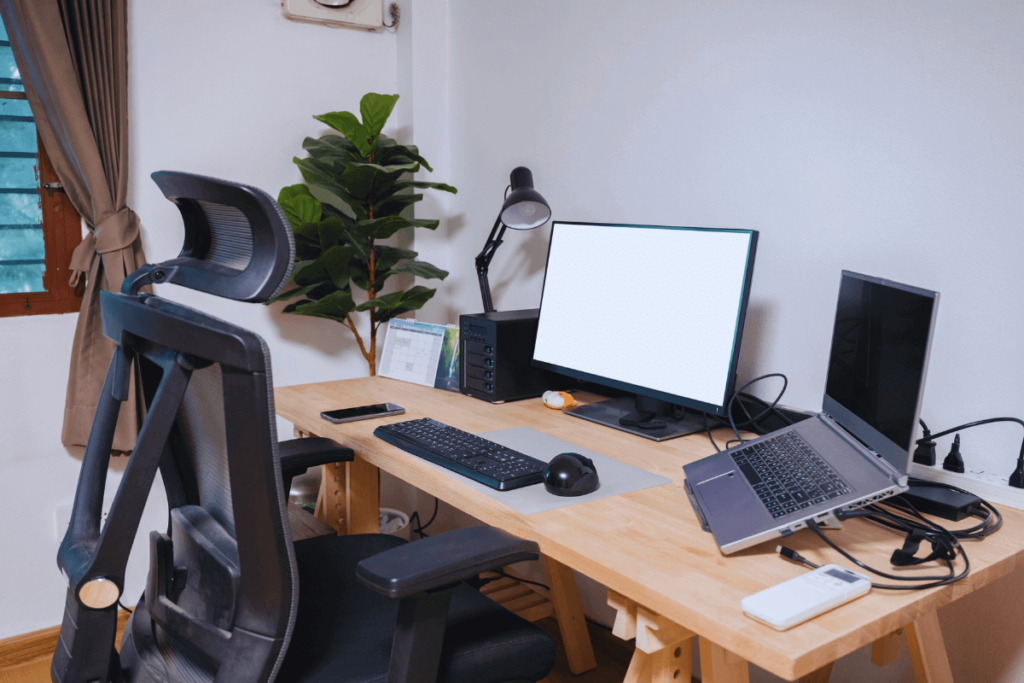
Ergonomics plays a pivotal role in maintaining health and focus during long work hours. Invest in an ergonomic chair that supports proper posture, reducing the risk of discomfort or pain. Pair it with a desk at the right height to encourage a neutral wrist and forearm position. Consider anti-fatigue mats to alleviate stress on your legs during prolonged periods of standing.
2. Lighting matters:
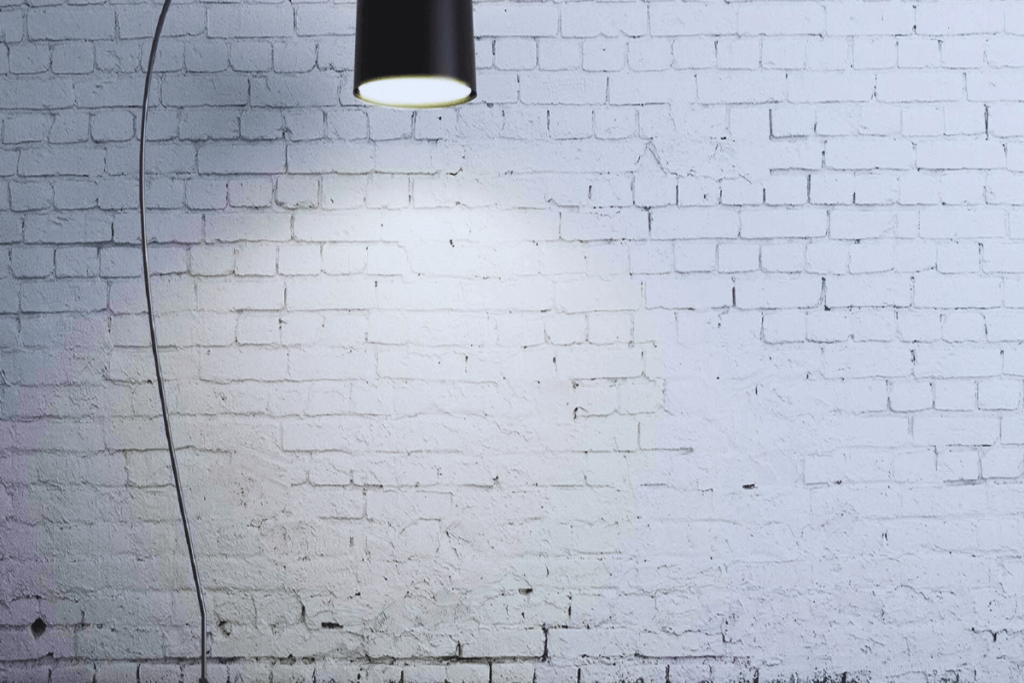
Adequate lighting is crucial for a home office.Optimal lighting comes from natural sources, so consider situating your desk near a window, if feasible. Complement it with ambient lighting to reduce eye strain, and consider task lighting for specific work areas. Adjustable lighting options allow you to adapt to different tasks and times of day, fostering a more dynamic and comfortable work environment.
3. Strategic furniture arrangement:

Optimize the layout of your home office by placing furniture strategically. Ensure there’s enough space to move around freely, and position your desk to minimize distractions. Experiment with different arrangements until you find one that promotes a clear and organized workflow. Consider storage solutions to keep clutter at bay, promoting a tidy and efficient workspace.
4. Personalized aesthetics:

Fill your home office with elements that evoke inspiration and motivation. Choose a color scheme that resonates with your style and fosters a positive atmosphere.Customize the space by incorporating artwork, plants, or meaningful decorations. Strike a balance between professionalism and personal touches to create an environment that feels uniquely yours.
5. Tech integration and cable management:

Embrace technology to streamline your work processes. Invest in quality tech accessories and ensure that your devices are seamlessly integrated into your workspace. Implement cable management solutions to keep wires tidy and prevent a chaotic visual landscape. A clutter-free environment contributes to a focused and organized mindset.
6. Zoning for productivity:

Create distinct zones within your home office for different tasks. Designate areas for focused work, collaboration, and relaxation. Use furniture, rugs, or even color differentiations to visually separate these zones. This zoning strategy helps maintain a sense of structure, making it easier to transition between different types of work.
7. Regular maintenance and adaptation:

Regularly assess your home office setup and adapt it to evolving needs. As your work requirements change, so should your workspace. Stay attuned to your comfort, making adjustments to lighting, furniture, and decor as necessary. A dynamic and responsive home office design ensures that your workspace remains a catalyst for productivity over time.
In conclusion, a well-designed home office is not just about aesthetics; it’s about creating an environment that supports your professional goals and personal well-being.
By incorporating ergonomic principles, thoughtful lighting, strategic furniture arrangement, personalized aesthetics, tech integration, zoning strategies, and regular maintenance, you can craft a home office that enhances productivity and makes remote work a rewarding experience.