

Neglected backyards often serve as mere transit points, yet these spaces hold great promise as functional home extensions. Adding a fireplace creates an inviting focal point that draws people together and significantly boosts curb appeal. This feature provides needed warmth during chilly nights, effectively lengthening the time families spend outside.
Successful integration depends on selecting the right materials like rustic brick or sleek concrete to match existing architecture. Beyond simple heating, a fireplace carves out distinct areas for lounging or dining, making the layout more organized. Owners choose wood-burning, gas, or ethanol units based on maintenance preferences.
Licensed contractors guarantee structural stability while adhering to local fire safety ordinances. By addressing wind direction and ventilation, designers create a comfortable atmosphere. A custom fire feature improves property value, turning a basic lawn into a high-end, practical year-round retreat for modern families.
Selecting the ideal outdoor fireplace type

Wood-burning fireplaces provide authentic crackling sounds and a smoky aroma, creating a traditional outdoor experience. They require a steady supply of seasoned firewood and regular ash removal, demanding more hands-on maintenance than gas options.
Chimney design and height are crucial for efficient drafting and minimizing smoke nuisance for guests and neighbors. Gas fireplaces offer convenience with instant ignition and adjustable flame height, typically operating on natural gas or propane.
They produce clean-burning heat without smoke or embers, making them a low-maintenance choice. Vented and ventless models exist, with vented options mimicking traditional fireplaces more closely, while ventless units provide maximum heat output. Ethanol fireplaces present a versatile, eco-friendly alternative.
These units burn denatured alcohol, producing a real flame without smoke, odor, or the need for a chimney or gas line. Their portability and ease of installation make them suitable for a variety of settings, though their heat output is generally lower compared to wood or gas models.
Small backyard outdoor living space ideas with fireplace

Maximizing utility in small backyards involves smart design choices for fireplaces. Corner installations or slim linear models preserve valuable floor space, allowing for more seating or greenery. Built-in benches flanking a fireplace also provide dual functionality, offering comfortable seating while the fire feature seamlessly into the hardscaping.
Wall-mounted gas fireplaces offer a sophisticated, space-saving solution. These units attach directly to an exterior wall, freeing up ground space. Their minimalist profile suits contemporary designs, delivering warmth and visual interest without overwhelming a compact area. Material selection for the surrounding wall cladding, such as stucco or stone veneer, enhances the aesthetic.
Portable fire pits or compact chimineas offer flexibility in very small spaces. While not permanent fixtures, they provide a focal point and warmth, easily moved or stored when not in use. These temporary solutions allow homeowners to enjoy fire features without extensive construction, adapting to the dynamic needs of a modest backyard footprint.
Covered outdoor living space ideas with fireplace and kitchen

A fireplace into a covered outdoor kitchen creates a luxurious, year-round entertainment hub. The fireplace often anchors the seating area, distinct yet connected to the cooking zone. Proper ventilation for both the grill and fireplace is essential under a roof structure, requiring professional design to manage smoke and heat effectively.
Designers use matching materials for the fireplace surround and kitchen elements, such as granite countertops and stone veneers, ensuring visual cohesion. This creates a unified architectural statement, elevating the overall design of the covered space.
Incorporating backyard living concepts With multiple zones expands functionality, from dining to lounging. Overhead structures, like pergolas with retractable canopies or solid roofs, offer protection from sun and rain.
This ensures the fireplace and kitchen remain usable in various weather conditions, extending the outdoor season considerably. Electrical outlets and lighting within the covered area enhance utility for evening gatherings and cooking tasks.
Modern patio design ideas with outdoor fireplace

Modern patio designs often feature sleek, minimalist outdoor fireplaces characterized by clean lines and unadorned surfaces. Linear gas fireplaces, embedded into low walls or seating, exemplify this aesthetic. Materials such as polished concrete, stainless steel, and smooth stucco complement the contemporary look, emphasizing understated elegance.
Integration with geometric landscaping and neutral color palettes further defines a modern outdoor space. Designers often incorporate water features and simple plantings to create a serene, sophisticated environment.
The fireplace serves as a sculptural element, providing warmth without disrupting the overall minimalist design ethos of the patio. Advanced technology plays a role, with features like remote-controlled ignition and LED accent lighting enhancing functionality and visual appeal.
These modern conveniences align with the clean, efficient design philosophy. The fireplace becomes a focal point that is both visually striking and highly practical, fitting seamlessly into the contemporary outdoor setting.
Luxury outdoor living space ideas with gas fireplace
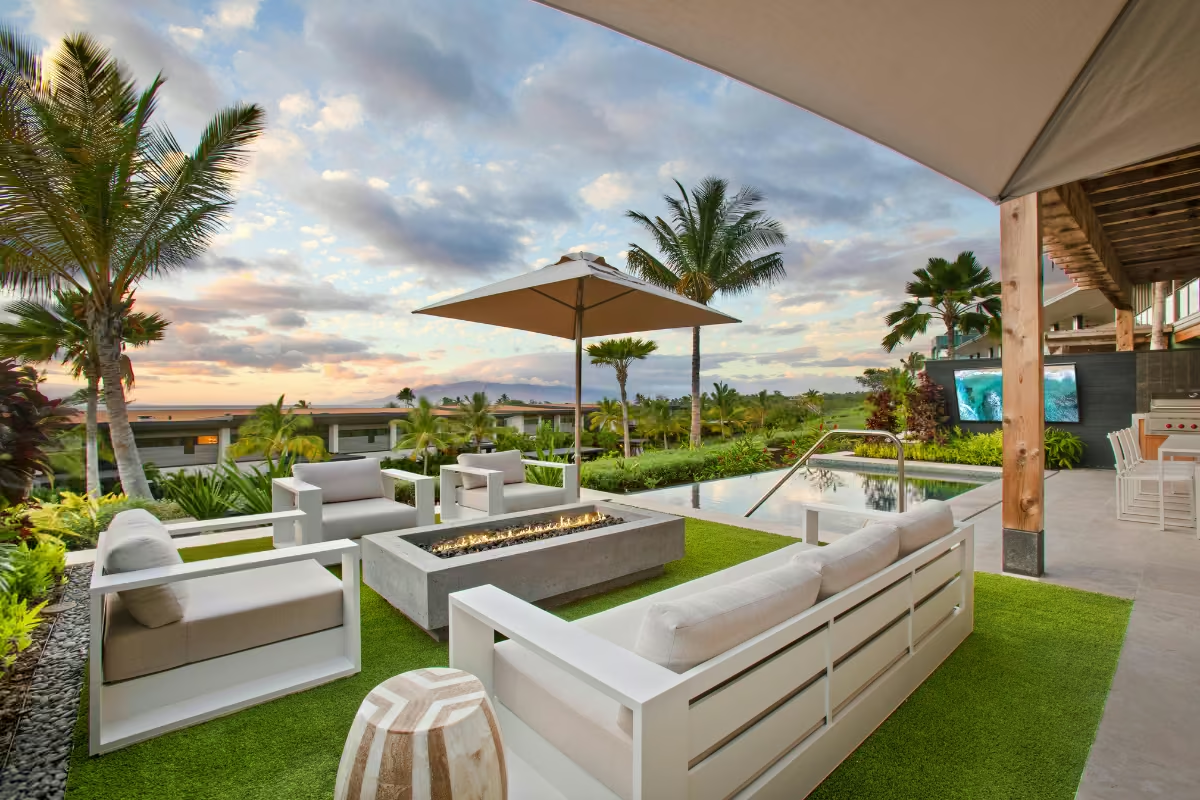
Luxury outdoor spaces often showcase high-end gas fireplaces, prioritizing convenience, aesthetics, and advanced features. These units typically boast higher BTU outputs for superior heating and include sophisticated flame patterns, sometimes with colored LED lighting. Remote controls and smart home integration offer effortless operation, the opulent experience.
Custom surrounds for luxury gas fireplaces feature premium materials like exotic stone, intricate tile work, or marine-grade stainless steel. These bespoke elements reflect the homeowner’s individual style and the overall design theme of the property.
Integrated storage for gas tanks or hidden utility access maintains a pristine, uncluttered appearance. Designers often pair these fireplaces with expansive lounge seating, outdoor sound systems, and elaborate landscape lighting.
The fireplace becomes the anchor for a comprehensive outdoor entertainment zone. This meticulous attention to detail and integrated luxury creates an unparalleled outdoor living environment, functioning as an extension of interior grandeur.
Diy outdoor living space plans with fireplace considerations
Diy fireplace construction requires careful planning, adherence to local building codes, and a realistic assessment of skill level. Premade fireplace kits offer a simplified approach, providing precut components and detailed instructions for assembly. These kits typically involve masonry or block construction, reducing complex cutting and measuring.
Safety is paramount in any diy fireplace project. Proper clearances from combustible materials, correct flue sizing, and adequate foundation support prevent structural issues and fire hazards. Consulting with a professional or obtaining permits ensures compliance with safety regulations and structural integrity for the long term.
Material selection significantly impacts a diy project’s cost and complexity. Cinder blocks, pavers, and stone veneers are popular choices for their ease of use and aesthetic versatility. Understanding mortar mixing ratios and proper stone laying techniques ensures a durable and visually appealing finished product that withstands outdoor elements.
Rustic outdoor living area designs with wood-burning fireplace

Rustic outdoor designs embrace natural elements, featuring large, wood-burning fireplaces as a central gathering point. Rough-hewn stone, river rock, or reclaimed brick often compose the fireplace structure, reflecting an organic aesthetic. The natural textures and varied colors of these materials create an authentic, earthy feel, reminiscent of traditional lodges.
Timber beams, cedar pergolas, and heavy log furniture complement the robust presence of a rustic fireplace. These elements contribute to a warm, inviting atmosphere, often set against a backdrop of mature trees or natural landscaping. Weathered finishes and durable, natural fabrics enhance the rugged charm of the outdoor living area.
Open-hearth designs, allowing a direct view of the burning logs, reinforce the traditional, primal appeal of fire. Adequate firewood storage, often incorporated as part of the fireplace structure or an adjacent wood box, becomes both practical and decorative. This integration solidifies the rustic aesthetic and functional needs of a wood-burning unit.
Enclosed outdoor living space ideas with fireplace and screens

Enclosed outdoor living spaces, featuring a fireplace and retractable screens, offer protection from insects and inclement weather. Screens, often motorized, maintain an open-air feel while providing immediate environmental control. This allows for comfortable enjoyment of the fireplace even during breezy evenings or light rain, extending the usability of the space.
The fireplace in an enclosed area becomes a focal point that operates safely within the protected environment. Gas fireplaces are particularly suited for these spaces due to their lack of smoke and embers, simplifying ventilation requirements compared to wood-burning units.
A ceiling fan can further aid in air circulation during warmer periods. Material continuity between the interior of the enclosed space and the fireplace surround creates a seamless transition.
Hardwearing, weather-resistant finishes are chosen for floors and walls to withstand potential moisture and temperature fluctuations. This design approach ensures durability and aesthetic harmony within the semi-enclosed structure.
Outdoor deck living space ideas with built-in fireplace

a fireplace into an outdoor deck requires careful consideration of structural loads and fire safety. Deck designs incorporate reinforced framing to support the significant weight of a masonry fireplace. For gas units, designers plan routes for gas lines to connect safely and discreetly from the main supply.
Zero-clearance fireplace inserts are optimal for deck applications, minimizing the heat transfer to surrounding combustible materials. These factory-built units come with specific installation guidelines to prevent fire hazards. Non-combustible hearths and surrounds, extending beyond the fireplace opening, provide additional protection for the deck surface.
Placement of the fireplace on a deck often defines distinct zones, separating lounging from dining areas. Built-in benches or retaining walls can frame the fireplace, creating intimate gathering spots. Deck railing design also considers proximity to the fire, ensuring safety clearances while maintaining an unobstructed view and cohesive aesthetic.
Contemporary backyard living space ideas with minimalist fireplace

Contemporary backyards embrace minimalist fireplaces, characterized by their understated presence and functional efficiency. These designs often feature sleek, geometric shapes and monochromatic palettes, such as matte black steel or light gray concrete. The fireplace integrates as a subtle architectural element rather than an ornate focal point.
Linear gas fire features, often recessed into walls or integrated into low-profile benches, exemplify this minimalist approach. The flame itself becomes the primary visual interest, contrasting with the clean, uncluttered surfaces. This design choice aligns with a desire for simplicity and streamlined aesthetics in the outdoor environment.
Surrounding landscaping often mirrors the minimalist ethos, with sparse, architectural plantings and clean hardscaping. The fireplace contributes to an overall sense of calm and order, providing warmth and ambiance without visual excess. The focus remains on essential elements and open space, creating a refined, contemporary outdoor sanctuary.
Elevating outdoor ambiance through calculated fire integration
The strategic placement and type of fireplace fundamentally alter an outdoor space’s character and utility. Architects consider BTU output in relation to the area’s volume and climate conditions to achieve optimal heating performance. A 60,000 BTU gas fire pit effectively heats a 150-square-foot patio in moderate climates, for instance.
Material specification significantly impacts thermal mass and heat retention. Dense materials like natural stone or concrete absorb and radiate heat longer than metal, influencing the residual warmth after the fire extinguishes. This distinction informs choices for extended evening enjoyment versus quick, on-demand heat.
Professional installation ensures compliance with nfpa (national fire protection association) standards, particularly concerning clearances to combustibles and ventilation requirements.
For gas units, certified technicians perform leak tests and verify proper pressure, mitigating safety risks. Electrical considerations for ignitors and lighting also fall under specialized expertise.
Related posts:
 Selecting Balcony Furniture: A Guide to Durable and Comfortable Outdoor Living
 Green Havens: Transforming Your Balcony into a Botanical Oasis with Strategic Plant Choices
 Engineering weather-resistant outdoor furnishings
 Transform your backyard with the best outdoor living patio furniture for a stylish oasis