

For over two decades, I’ve dedicated my career to crafting spaces that don’t just house people, but truly elevate their lives. What started as designing beautiful homes has evolved into an art of curating experiences, especially when it comes to the seamless transition between indoors and out.
We’ve moved beyond the singular patio or a detached deck; the modern homeowner seeks a holistic engagement with their entire property, viewing it as an extension of their interior world. My firm’s philosophy increasingly centers on extending the living envelope, blurring boundaries, and ensuring every outdoor ‘room’ serves a distinct purpose, yet feels inherently connected to the main structure.
It’s about designing a lifestyle, not just a floor plan, where every vista and every corner of the property contributes to a richer daily existence, enhancing well-being and connection to nature.
What is outdoor living all around the house archives?
Outdoor living all around the house archives embos an architectural philosophy integrating multiple functional outdoor zones seamlessly with interior spaces. It involves creating a cohesive network of exterior rooms, paths, and vistas that maximize the entire property’s utility and aesthetic appeal, blurring the line between indoor and outdoor environments.
| Traditional outdoor space | Modern outdoor living | All around the house integration |
|---|---|---|
| Typically a single designated area like a patio or deck, often an afterthought in design. | Features multiple distinct outdoor zones, often larger and more deliberately planned into the initial design. | Creates a holistic network of interconnected outdoor rooms and experiences that fully wrap and extend from the entire home. |
| Primarily located at the back of the house, accessible from one or two main rooms. | Zones can be found in various locations, such as a front porch, side patio, or a back entertainment area. | Every facade and available outdoor area is considered for purposeful design, enhancing utility from all sides of the dwelling. |
| Has a clear separation from the interior, often accessed via a single door with a distinct threshold. | Offers improved indoor outdoor flow through larger openings, sliding doors, and consistent material palettes. | Achieves seamless transitions with expansive glass walls, pocket doors, and continuous flooring that completely blur the interior exterior boundary. |
| Focuses on providing a basic area for relaxation or dining, often treated as a separate entity from the home’s core. | Emphasizes creating an outdoor extension of interior living, dining, and entertaining, enhancing lifestyle. | Aims to maximize the liveable footprint of the property by treating all outdoor spaces as integral “rooms” that enhance daily life and views. |
| Limited functionality, mainly for occasional use during good weather. | Diversified functionality outdoor kitchens, fire pits, lounging areas, and sometimes even outdoor offices. | Comprehensive functionality across the entire property, private contemplative gardens, active play zones, dining courtyards, and integrated service areas. |
| Utilizes a small percentage of the total property, leaving much of the land undeveloped or purely aesthetic. | Engages a moderate to large portion of the property, creating distinct zones but possibly with less holistic connection. | Maximizes nearly all available property space, designing every inch for purpose, beauty, and integrated interaction with the architecture. |
As a top-tier architect with over two decades immersed in shaping environments, I’ve witnessed the profound evolution of how we perceive and utilize our outdoor spaces. The concept of “outdoor living all around the house” isn’t merely a trend; it’s a fundamental shift towards integrating nature and functionality into every facet of residential design.
My approach is always holistic, viewing the entire property as a canvas for enriching human experience, where the lines between indoors and outdoors elegantly blur.
We’re no longer just designing a house with a yard; we’re crafting a comprehensive living ecosystem that responds to climate, context, and the unique aspirations of its inhabitants. This perspective allows us to unlock the full potential of every square foot, fostering healthier, more connected lifestyles.
Creating seamless indoor outdoor flow
My core philosophy revolves around dissolving the traditional barriers between interior and exterior spaces. This isn’t just about large sliding glass doors; it’s about thoughtful sequencing of spaces, consistent material palettes that extend outwards, and rooflines that project to offer shelter and define outdoor rooms.
I often design covered patios, verandas, and loggias that act as intermediary zones, providing comfort and protection while maintaining a strong visual connection to the landscape.
The goal is to encourage a natural migration from living rooms to gardens, kitchens to dining terraces, making every transition feel effortless and intentional. This architectural fluidity fundamentally enhances the perceived size and functionality of the entire home, truly expanding the living footprint.
Designing dynamic outdoor living zones
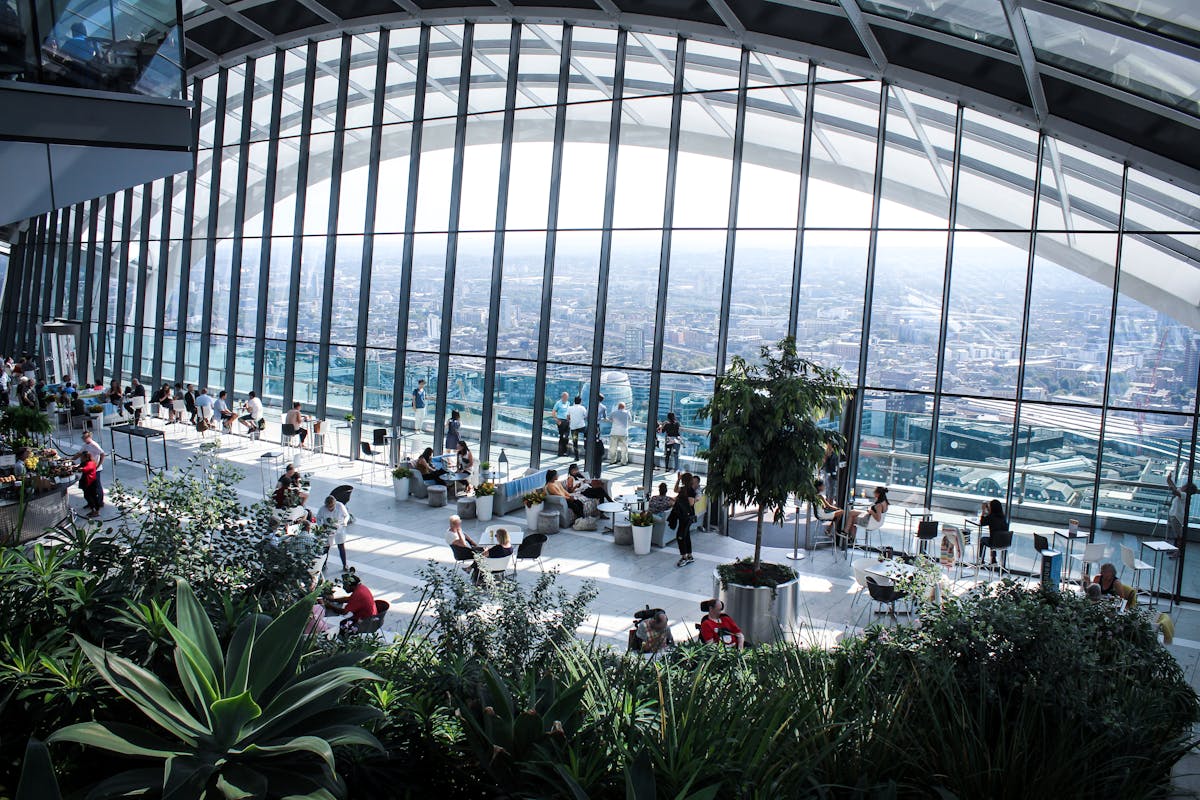
Beyond the immediate transition, I meticulously plan distinct outdoor living zones, each with its own purpose and ambiance, yet harmoniously connected. This might include a lively entertainment area near the kitchen, a serene reading nook nestled under a pergola, or a vibrant play space for children.
Each zone is considered an extension of the interior rooms, mirroring their functions but with the added benefits of fresh air and natural light. We think about circulation paths that guide inhabitants through these diverse environments, ensuring a logical flow that encourages exploration and relaxation.
The success lies in creating a series of destinations that cater to various activities, ensuring every corner of the property contributes to the overall living experience.
The art of alfresco dining and entertainment
For many of my clients, the dream of alfresco dining and entertaining is paramount. I design sophisticated outdoor kitchens complete with built-in grills, pizza ovens, refrigeration, and ample counter space, making meal preparation outside as convenient as inside.
Adjacent to these culinary hubs, I create inviting dining areas, often under pergolas or retractable awnings, providing comfort regardless of the weather. These spaces are not just functional; they are crafted to foster connection and celebration, becoming vibrant social hubs.
We integrate sound systems, subtle lighting, and comfortable, durable furnishings to ensure these outdoor rooms are as elegant and welcoming as any interior dining room, perfect for memorable gatherings.
Crafting intimate retreats and relaxation nooks
While grand entertainment spaces are wonderful, I also prioritize the creation of smaller, more intimate retreats for quiet contemplation and relaxation. These might be secluded courtyards, a bench tucked away amidst lush planting, or a private meditation deck.
The design principles here focus on privacy, comfort, and sensory delight. We consider elements like the gentle sound of water, fragrant plantings, and soft, indirect lighting to create an atmosphere of serenity.
These nooks offer a vital counterpoint to more active zones, providing personal sanctuaries where one can unwind, read, or simply enjoy the peace of their surroundings, fostering mental well-being and a deeper connection to nature.
Integrating balconies and terraces into the design
Balconies and terraces, regardless of their size, are invaluable assets for extending living space, particularly in urban environments or on multi-story homes. My design approach transforms these often-underutilized areas into compelling outdoor rooms.
We consider the orientation, views, and privacy needs to maximize their potential, integrating built-in seating, planters, and thoughtful material choices. Even a small balcony can become a vibrant oasis with creative design solutions, as explored in resources like elevate your outdoor oasis.
It’s about leveraging every square foot to create meaningful connections with the outdoors, enhancing both the aesthetic and functional appeal of the property.
Illuminating your outdoor realm with thoughtful design
Lighting is perhaps the most transformative element in extending the usability and ambiance of outdoor spaces after dusk. My designs incorporate a multi-layered lighting scheme, moving beyond simple floodlights to create depth, highlight architectural features, and ensure safety.
We use a combination of task lighting for dining areas, accent lighting for landscaping and art, and ambient lighting to create a welcoming glow. The goal is to sculpt the night landscape, making outdoor areas inviting and navigable.
For specific insights into enhancing these elevated spaces, Illuminating Elegance, offers excellent strategies for crafting atmosphere and functionality.
Embracing sustainable outdoor practices
In my practice, sustainability isn’t an afterthought; it’s woven into the very fabric of outdoor design. This includes implementing smart irrigation systems, selecting drought-tolerant native plantings that thrive in the local climate, and incorporating permeable paving materials to manage stormwater runoff.
We often design rainwater harvesting systems and integrate composting areas, encouraging a symbiotic relationship with the environment. My aim is to create landscapes that are not only beautiful and functional but also ecologically responsible, minimizing water consumption, reducing maintenance, and supporting local biodiversity. This approach ensures the outdoor living spaces are resilient and contribute positively to the broader ecosystem.
Materiality and sensory experiences outdoors
The selection of materials is critical in defining the character and durability of outdoor spaces. I meticulously choose materials that are appropriate for the climate, harmonize with the home’s architecture, and age gracefully. Natural stone, durable hardwoods, concrete, and corten steel are employed for their aesthetic appeal and resilience.
Beyond visual impact, I consider the full sensory experience: the sound of gravel underfoot, the scent of aromatic plants, the feel of a smooth stone wall, or the warmth of sunlight on a wooden deck.
These tactile and olfactory elements are intentionally integrated to enrich the user’s interaction with their outdoor environment, making every moment spent outside deeply engaging.
Crafting integrated outdoor masterpieces: a legacy of considered design
As a seasoned architect with over two decades of crafting exceptional living spaces, I’ve witnessed the evolution of outdoor design from mere amenity to an indispensable extension of the home. The ‘all around the house’ philosophy isn’t just a trend; it’s a fundamental shift in how we conceive luxury, comfort, and connection to our environment.
These archives serve as a testament to that journey, a curated collection of insights, challenges, and triumphs in integrating every exterior nook and cranny into a cohesive, functional, and aesthetically resonant whole. My aim, always, is to blur the lines between inside and out, creating fluid transitions that enhance daily life and amplify the spirit of place.
Dive into these discussions to uncover the meticulous planning, innovative materials, and thoughtful considerations that transform a property into a truly integrated outdoor living masterpiece, a legacy of considered design.
The unseen value of subsurface outdoor systems
I often the true return on investment for the invisible infrastructure beneath our meticulously designed outdoor spaces. Clients readily appreciate a stunning patio or a custom fire feature, but do they fully grasp the long term benefits of advanced drainage, integrated smart irrigation, robust subgrade preparations, or sophisticated low voltage lighting conduits?.
I question if we as architects adequately articulate the critical role these foundational elements play in preventing future costly issues, ensuring longevity, and maximizing the seamless functionality of their outdoor realm.
It is a subtle art to convey that true luxury in outdoor living extends far beyond the surface, rooted deeply in resilient engineering and foresight that often goes unnoticed until it performs flawlessly for decades.
Crafting seasonal agility without compromise
My ongoing curiosity revolves around designing outdoor environments that genuinely transcend seasonal limitations without feeling like a series of enclosed compromises. How do we achieve that elusive balance where a space feels equally inviting in the crisp air of autumn as it does under the peak summer sun?.
I question the subtle architectural cues and material selections that can mitigate wind, optimize solar gain, or provide shade without resorting to heavy, obtrusive structures that stifle openness.
It is a challenge to create a fluid transition that adapts effortlessly to changing weather patterns, offering comfort and utility throughout the year, truly blurring the lines between indoor shelter and outdoor freedom across all four seasons.
The psychology of outdoor privacy and connection
In an increasingly dense world, I find myself constantly grappling with the nuanced psychology of outdoor privacy versus fostering genuine connection. How do we artfully carve out sanctuaries of profound solitude within a property without inadvertently isolating its inhabitants, or , design communal zones that encourage interaction without sacrificing personal retreat?.
I question the delicate spatial relationships between open gathering areas and intimate, shielded nooks, and how their thoughtful transitions subtly influence human behavior and well-being.
It is a complex dance to orchestrate views, screening, and circulation paths to achieve an optimal balance, ensuring that every corner of the outdoor realm serves its purpose, whether for quiet contemplation or vibrant social engagement.
Futureproofing outdoor living for unforeseen shifts
I often ask myself if our current benchmarks for ‘sustainable’ and ‘innovative’ outdoor design are truly resilient enough for the fifty years. Are we adequately anticipating the accelerating pace of climate change, more extreme weather events, prolonged droughts, or intense heatwaves?.
Beyond environmental shifts, I our readiness for rapid technological advancements in automated maintenance, smart material science, or even drone based deliveries that could fundamentally redefine how we interact with our immediate exterior environment.
My ongoing doubt is whether we are truly designing for a future that is still largely unknown, ensuring that today’s outdoor masterpiece remains relevant, adaptable, and valuable for generations to come.
The elusive art of patina and timeless outdoor design
I find myself perpetually intrigued by the elusive art of designing outdoor spaces that don’t merely endure, but genuinely improve with age, acquiring a rich patina rather than simply weathering. How do we select materials and specify details that resist fleeting trends, instead developing character and depth over decades, telling a story of their existence rather than merely showing wear?.
My advanced doubt centers on identifying that precise combination of material integrity, craftsmanship, and environmental interaction that transforms a new installation into a cherished, timeless element.
It is a quest for designs that achieve a profound sense of permanence, where every scratch and sun bleached surface contributes to an evolving beauty, a testament to thoughtful longevity.
Related posts:
 Selecting Balcony Furniture: A Guide to Durable and Comfortable Outdoor Living
 Green Havens: Transforming Your Balcony into a Botanical Oasis with Strategic Plant Choices
 Transform your backyard with the best outdoor living patio furniture for a stylish oasis
 Outdoor living space ideas on a budget that look surprisingly expensive