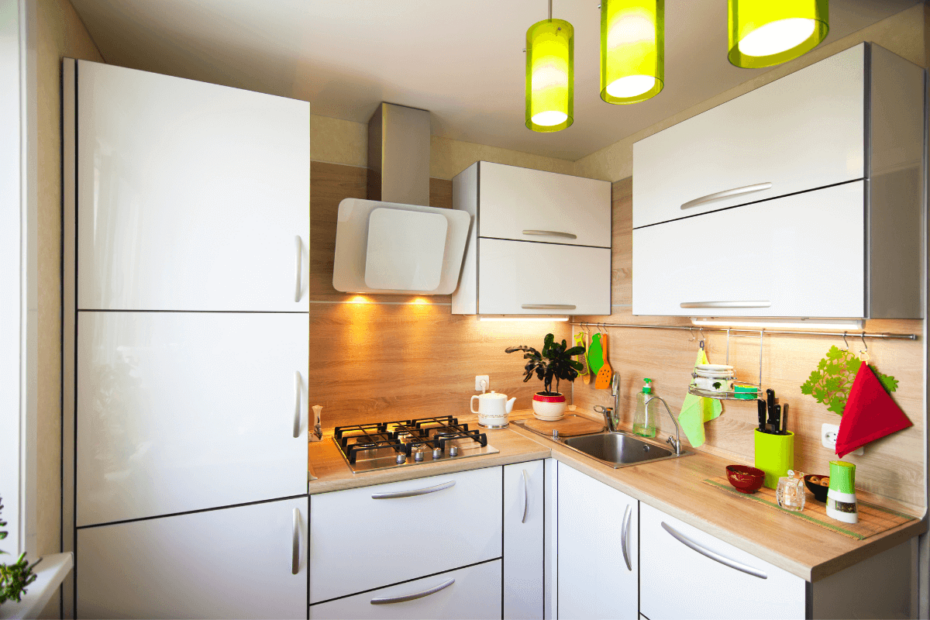
In the realm of small kitchen design, where space is a premium commodity, the impact of strategic lighting cannot be overstated. The right lighting not only enhances functionality but also plays a pivotal role in creating the illusion of a more expansive and inviting space.
This article delves into the art of strategic lighting for small kitchens, exploring various techniques and fixtures that can transform these compact culinary hubs into well-lit and visually appealing areas.
The importance of strategic lighting:
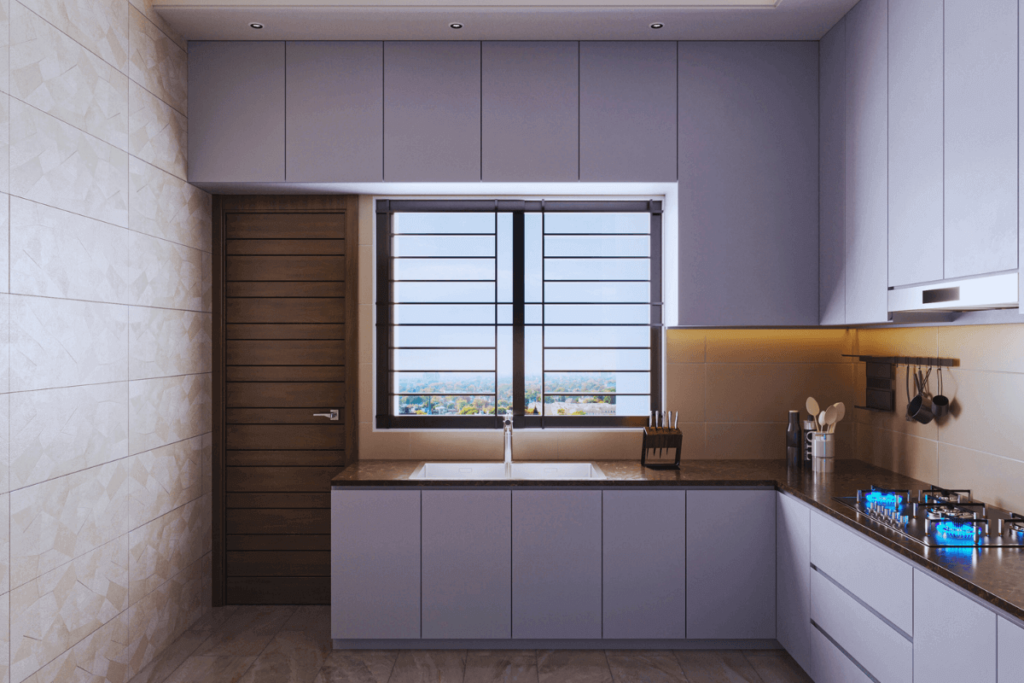
Small kitchens often face challenges related to limited natural light and cramped quarters. Strategic lighting serves as a powerful ally, alleviating these challenges by introducing brightness, eliminating shadows, and accentuating key design elements. It is a versatile tool that not only enhances visibility but also contributes to the overall aesthetic appeal of the space.
Types of strategic lighting:
- Task Lighting:
- Incorporate under-cabinet LED strips to illuminate countertop workspaces.
- Install pendant lights above key areas like the sink or stove to provide focused task lighting.
- Ambient Lighting:
- Use recessed lights to create a general ambient glow throughout the kitchen.
- Consider wall sconces or track lighting to evenly distribute light in the space.
- Accent Lighting:
- Highlight specific design elements or features with accent lighting.
- Showcase artwork or open shelving with discreet spotlights for added visual interest.
Maximizing natural light:
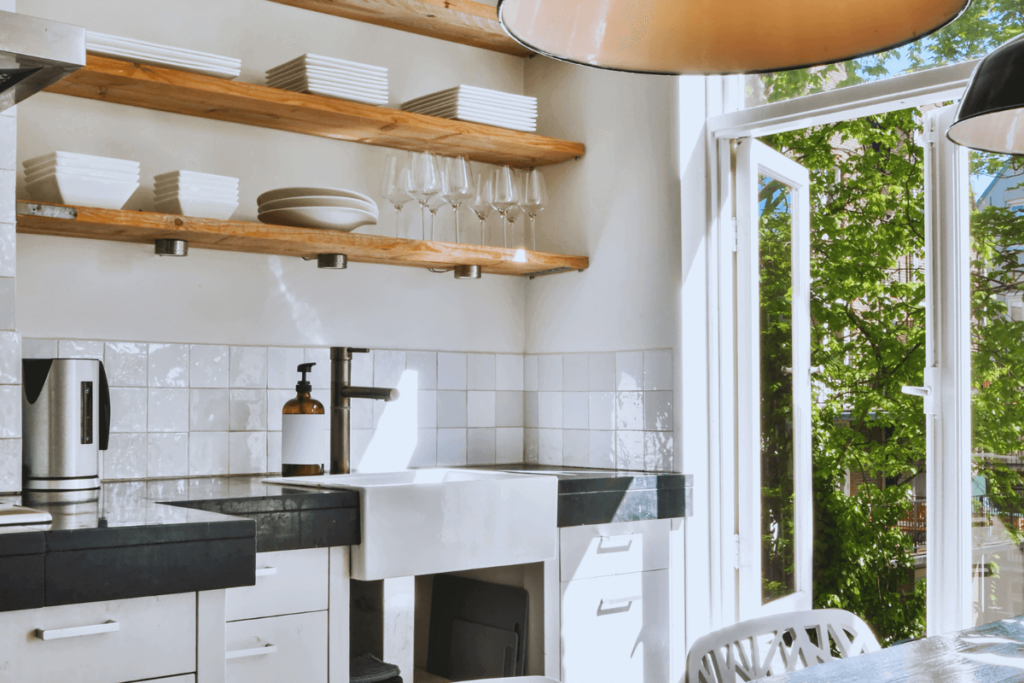
- Window Treatments:
- Keep window treatments minimal to allow maximum natural light.
- Choose sheer curtains or blinds that provide privacy without blocking sunlight.
- Mirror and Glass Elements:
- Integrate mirrors to reflect natural light and create a sense of openness.
- Opt for glass-fronted cabinets to enhance the diffusion of light.
Smart fixture selection:
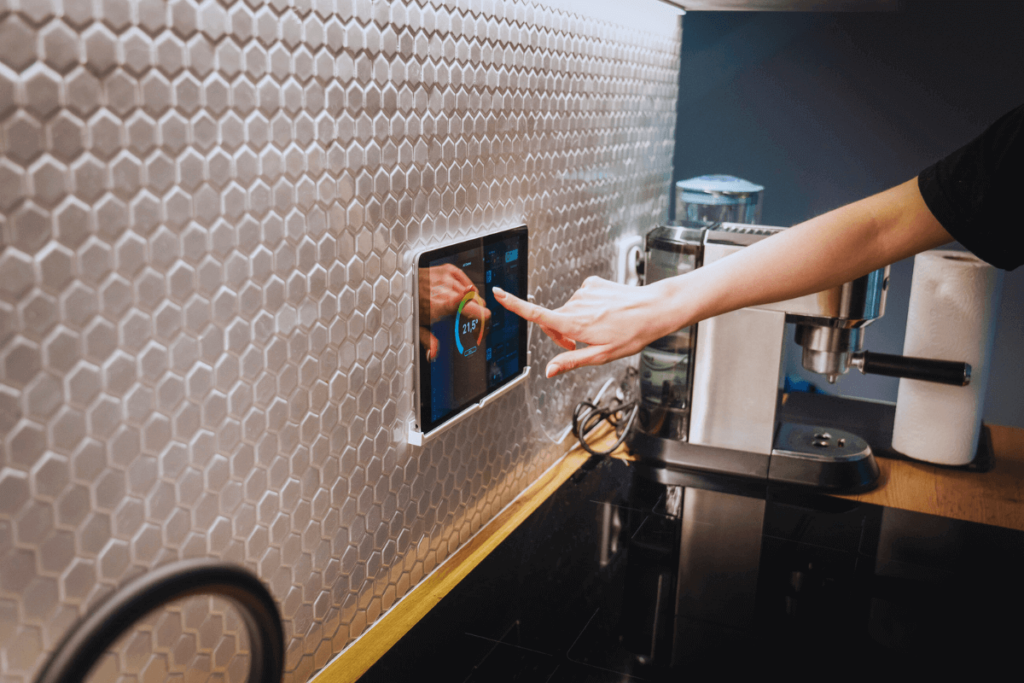
- Space-Saving Fixtures:
- Choose fixtures that don’t overwhelm the space but provide ample illumination.
- Consider slim and sleek designs that add a touch of modernity to the kitchen.
- Adjustable and Dimmable Lighting:
- Opt for fixtures with adjustable or dimmable settings to control the intensity of light.
- This flexibility allows for varied lighting scenarios based on different tasks and moods.
Lighting as a design element:
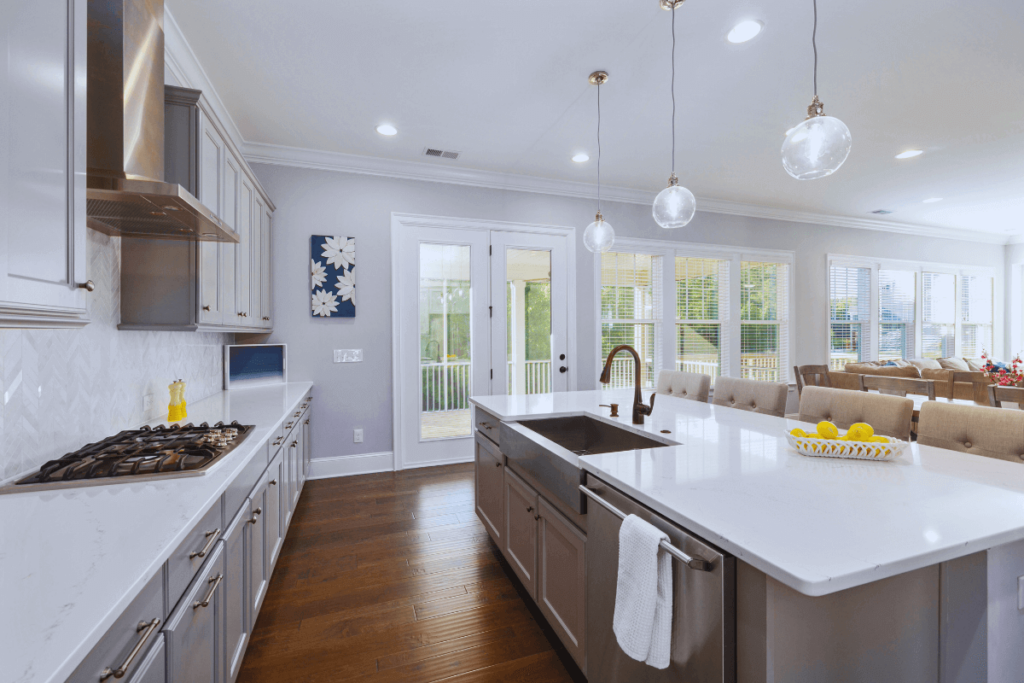
- Statement Lighting:
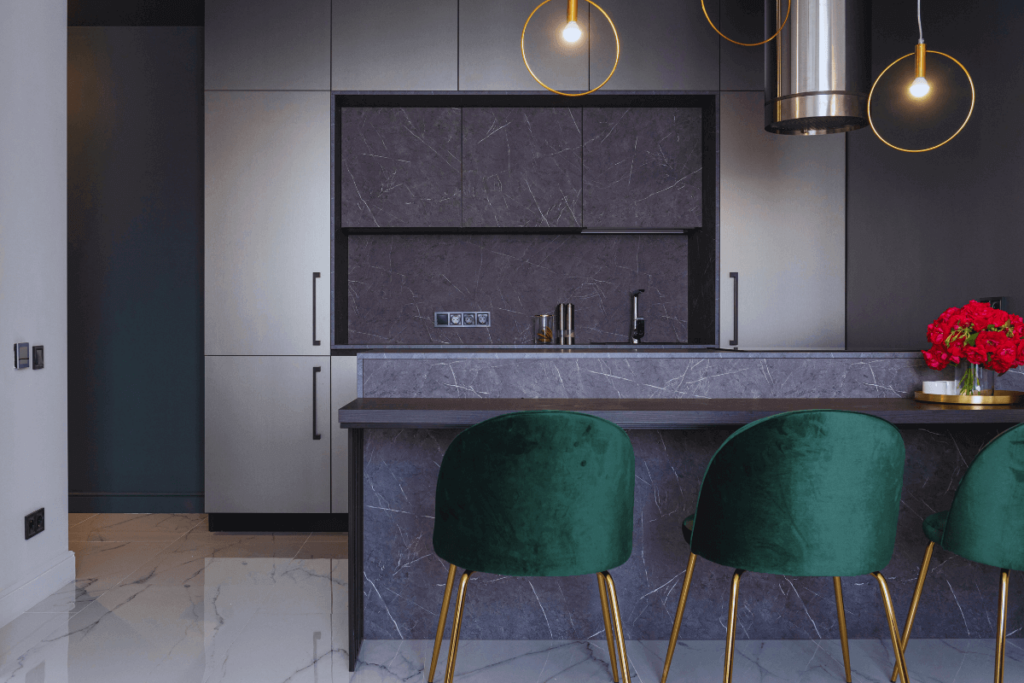
- Use pendant lights or chandeliers as statement pieces to elevate the kitchen’s aesthetic.
- Bold lighting fixtures can become focal points in a small kitchen.
- Consistent Color Temperature:
- Maintain a consistent color temperature across all lighting sources.
- This ensures a cohesive and harmonious look throughout the kitchen.
Case studies and inspiration for small kitchen design
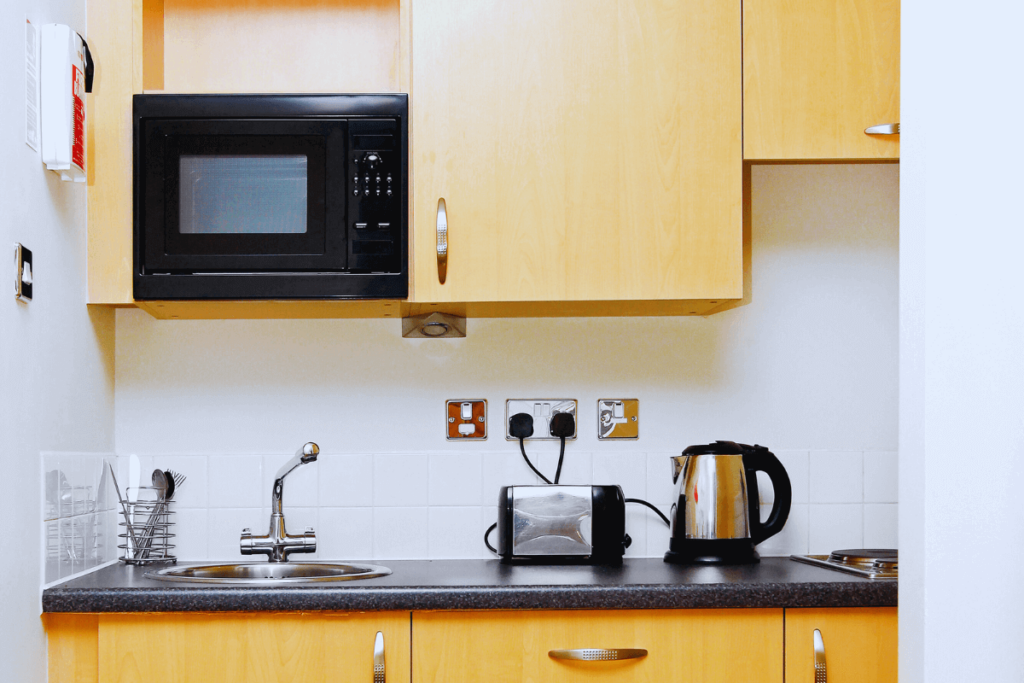
Explore examples of small kitchens that have effectively utilized strategic lighting. Showcase before-and-after scenarios, emphasizing the transformative power of well-planned illumination on the overall ambiance and functionality of the space.
Conclusion:
In the intricate dance of design for small kitchens, strategic lighting emerges as a key player. It is not merely about banishing shadows but about sculpting the ambiance and visual appeal of the space.
By carefully selecting fixtures, harnessing natural light, and incorporating lighting as a design element, homeowners can unlock the full potential of their compact kitchens. Embrace the transformative power of strategic lighting to turn your small kitchen into a well-lit and stylish culinary haven.